
Gearboxes
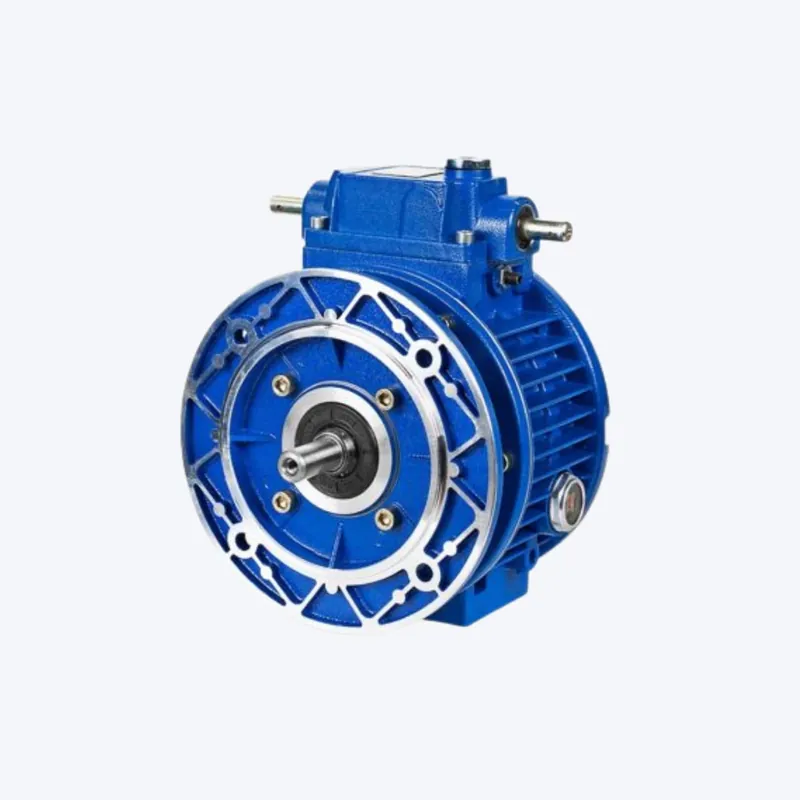
Mechanical speed variators
A mechanical variator adjusts the speed of a drive steplessly, with no inverter in the circuit. The speed is set on the unit itself, the setting can be repeated, and torque is passed on steadily while the machine runs. For plant where an inverter is not wanted, or where the drive has no electronics at all, a variator is the straightforward way to change the speed of a machine.
Variators integrate with the motor and the gearbox on the same drive, so they suit machines already built around mechanical components. They earn their place where process conditions change and the machine has to be matched to them, and where the drive has to keep working in an industrial environment.
We size a variator on three things: the adjustment range you need to cover, the load it has to carry, and how it mounts in the machine. Send us those, with the motor and the gearbox it will work with, and we will come back with a configuration and a quote within one working day.
Main features
Stepless speed adjustment without an inverter
Mechanical control with repeatable speed settings
Stable torque transfer through the adjustment range
Integrates with the motor and the gearbox
Built for continuous industrial use
Questions we get asked
What does a mechanical variator do?
It changes the output speed of a drive steplessly, by mechanical adjustment rather than electronics. The speed is set on the unit, the setting holds, and the drive carries on transferring torque to the machine. It is the mechanical answer to a job that would otherwise call for an inverter in the drive.
Variator or inverter: which do I need?
A variator gives the speed adjustment mechanically, so there is no frequency converter in the drive at all. An inverter does the same job electronically and brings electrical control with it. If you want simple speed regulation on a mechanical drive with nothing to program, the variator is the shorter route. We supply inverters as well, so tell us the application and we will say which fits.
What do you need to know to size a variator?
Three things to start with: the adjustment range you need, the load the drive has to carry, and how the unit mounts in the machine. The motor and the gearbox it runs with matter too, because the variator has to integrate with both. Send those details and we will come back with a configuration and a quote within one working day.
Where are variators used?
In industrial drives where the speed has to be regulated, the settings have to be repeatable and the unit has to keep running in plant conditions. They are chosen when the machine has to follow changing process conditions without an inverter in the drive. Tell us what the machine does and we will confirm whether a variator or an inverter suits it better.
Other gearboxes
Request a quotation
Quote for mechanical speed variators
Reply within one working day with a price, a lead time and the datasheet.
What lets us quote first time
- Speed range at the output
- Motor power
- Combined with a gearbox: ratio
- Control: hand-wheel, remote, servo