
Product line
Gear motors
A gear motor is an electric motor and a gearbox built as a single unit. The motor produces the power and the gearbox converts it, cutting the rotational speed and raising the torque available at the output so the drive matches what the machine needs. Putting both in one housing saves mounting space, removes the fitting problems that come with two separate components and shortens installation. Gear motors run in a range of mounting positions and use energy efficiently, which is why they are chosen where stability, repeatable movement and a long service life matter.
We supply five types. Worm gear motors (VMR, RMI and UMI) are compact, quiet and economical. Helical gear motors (AMP, AMF and WPR) give high efficiency and suit continuous duty. Bevel helical units (WSKA, OMP and OMF) turn the drive through 90 degrees. Planetary gear motors carry the highest loads and the largest torques, and their EX designation is a series name, not an explosion rating. Flat gear motors (PMP and WPF) are the ones to use when mounting space is short.
Selection starts with the output speed and the torque the machine needs, because those two set the gearbox type and the motor power. Next comes the character of the load: steady, variable, shock loaded or heavy on start-stop cycles. In transport and conveying work the radial and axial loads matter as well, since they govern the life of the gearbox and the shafts. Then we need the mounting position, the space available and how the torque leaves the unit, by output shaft, flange or torque arm. Dust, damp and temperature decide the version and the lubrication, and brakes or one-way clutches can be fitted where the machine needs more control over the movement.
Types of gear motors
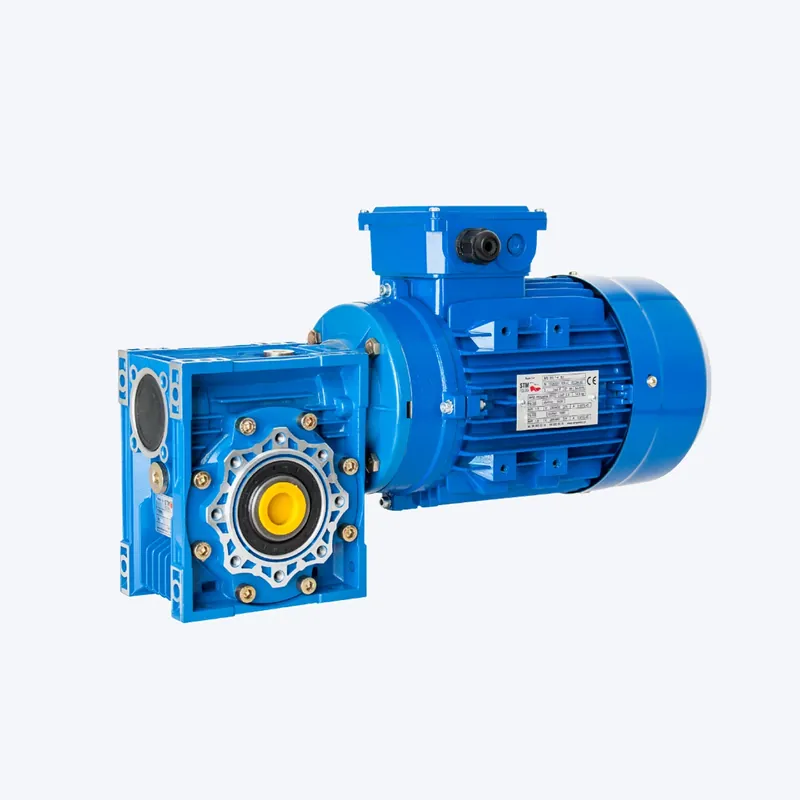
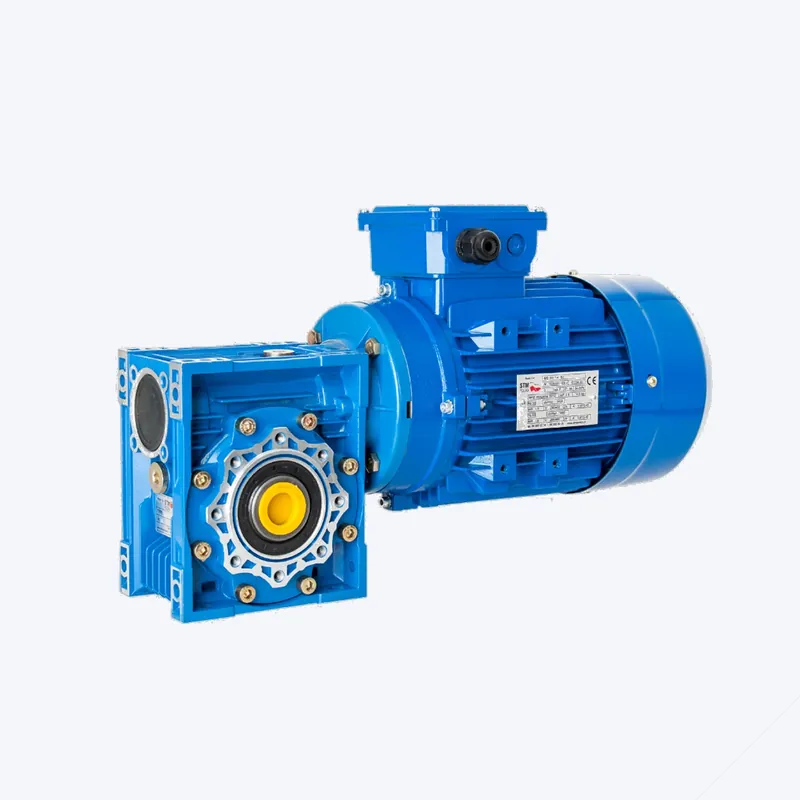
Worm gear motors
Right-angle and compact, the most common industrial drive. Hollow or solid output shaft.
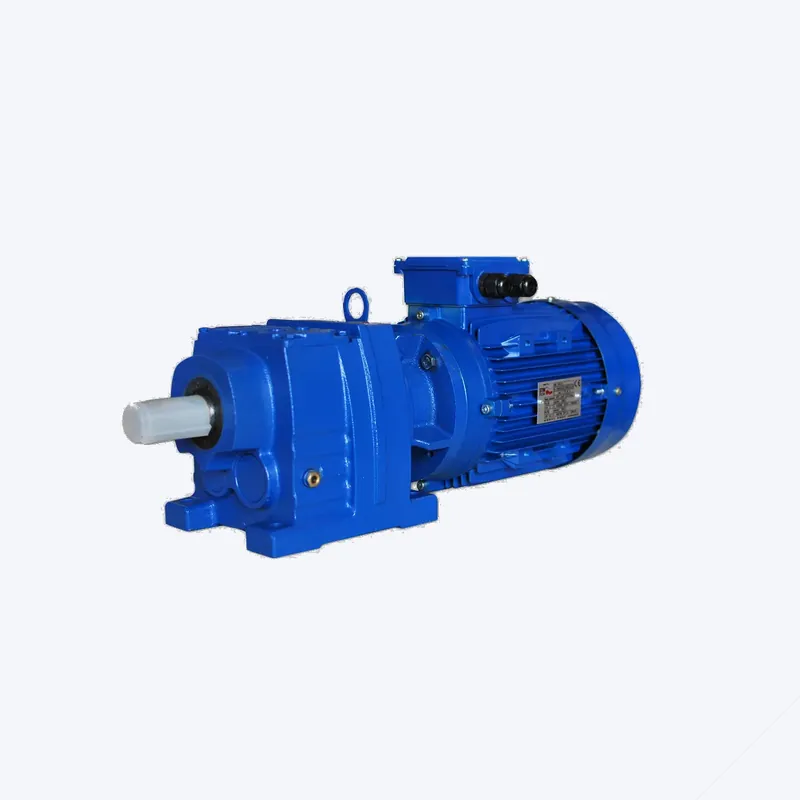
DiscoverInline helical gear motors
Output on the motor axis, two or three helical stages, the efficient drive for continuous duty.
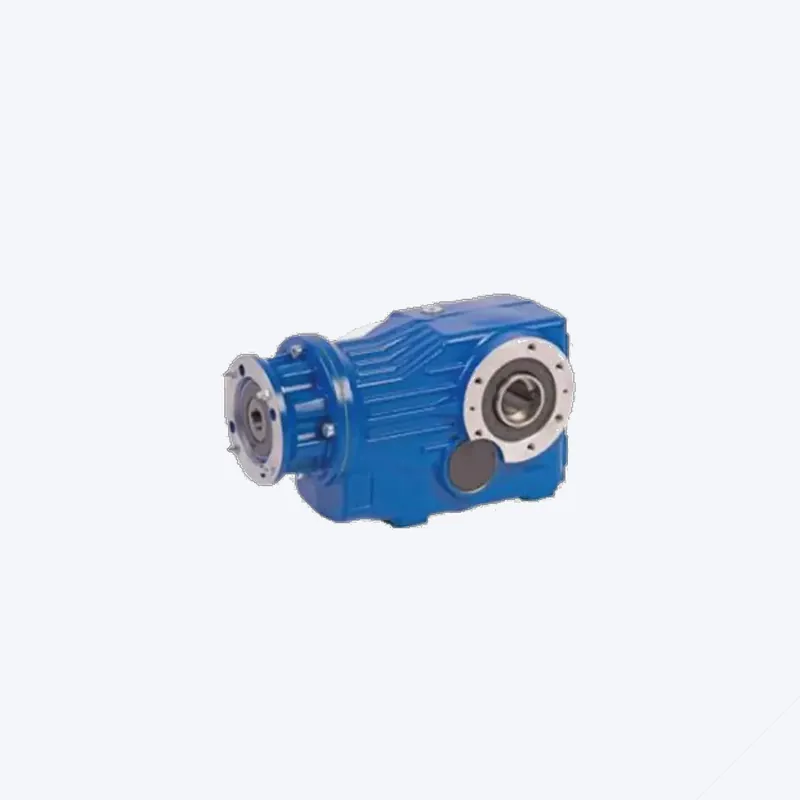
DiscoverBevel helical gear motors
Right-angle output with helical efficiency, for heavier and continuous duties.
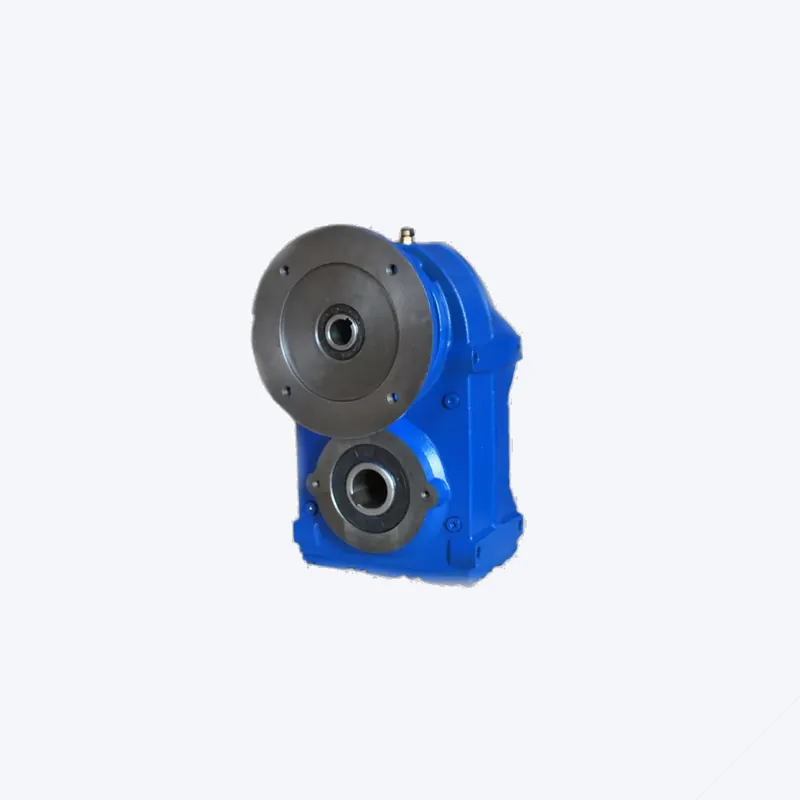
DiscoverParallel shaft gear motors
Flat housing, hollow output with torque arm: the conveyor and drum drive.
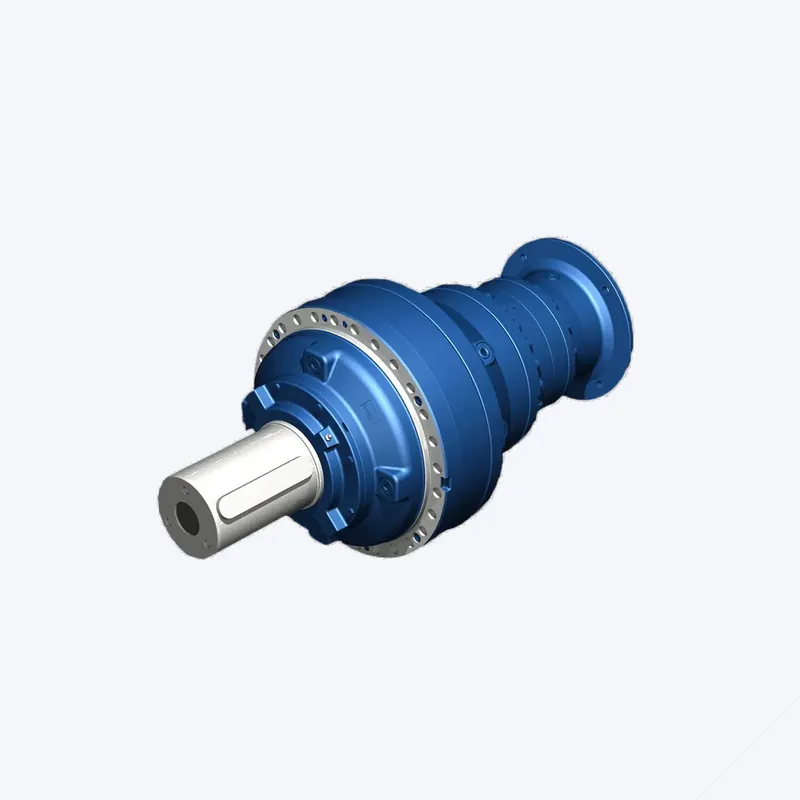
DiscoverPlanetary gear motors
The most torque per kilogram, coaxial and short, for heavy and shock loads.
Discover
Main features
Motor and gearbox built as one unit
Cuts output speed and raises torque
Worm, helical, bevel helical, planetary and flat types
Runs in a range of mounting positions
Brakes and one-way clutches can be fitted
Sized from output speed, torque and load type
Questions we get asked
What is a gear motor?
An electric motor and a gearbox in one housing. The motor produces the power and the gearbox reduces the speed and increases the torque at the output, so the drive suits the machine rather than the motor. Building both into one unit saves space and removes the mounting problems typical of a separate motor and gearbox.
How do I choose the right gear motor?
Start with the output speed and the torque the machine needs, because they set the gearbox type and the motor power. Then look at the load: constant, variable, shock or a lot of starts and stops. Add the mounting position, the space you have and how the torque comes out, by shaft, flange or torque arm. Send us those and we size it.
Which type suits a right-angle drive?
Bevel helical gear motors, the WSKA, OMP and OMF series, transmit power through 90 degrees, so they are the ones to look at when the motor cannot sit in line with the driven shaft. If the constraint is space rather than the angle, flat gear motors such as PMP and WPF are built for installations with little mounting room.
Can a gear motor be supplied with a brake?
Yes. Gear motors can be fitted with brakes, one-way clutches or other parts that add safety and control over the movement. Which of them you need depends on the duty and on how much control the machine has to have when it stops. Tell us how the machine behaves at the end of a cycle and we specify it.
Request a quotation
Quote for gear motors
Reply within one working day with a price, a lead time and the datasheet.
What lets us quote first time
- Output speed (rpm) or ratio
- Output torque (Nm) or motor power (kW)
- Hours per day, starts per hour, load type
- Mounting position, shaft and flange
- Supply voltage, inverter driven or direct on line